
Light and Shadow
Yves Brayer and Contemporary French Art
Throughout the history of art, some works reflect the spirit of their time, while others carry it across the ages. Yves Brayer’s (1907–1990) oeuvre belongs to the latter. “Light and Shadow: Yves Brayer and Contemporary French Art” brings together historical and contemporary French art, inviting viewers to consider light and shadow both as visual phenomena and as enduring metaphors for the human condition.
Yves Brayer belonged to a generation of French artists whose creative identities were shaped by a pivotal period in Europe’s search for a renewed cultural identity. Extensive travels across the Mediterranean enriched Brayer’s work with the distinctive Mediterranean luminosity, the rigour of classical composition and an exceptional sensitivity to space and humanity.
The exhibition presents this significant period of Brayer’s artistic career through paintings created in Spain, Italy, Vatican City and Paris. Together these works reveal the richness and diversity of European culture through everyday life, religious ceremonies, theatrical performances and the urban environment, where Brayer’s concern is never the outward drama of events, but the presence of people within space and time.
This patient, observant gaze became a defining quality of his art, where composition, rhythm and light are as significant as the subject itself. In Brayer’s paintings, light transcends its role as a purely atmospheric element. It shapes the space and determines the work’s emotional tension. The balance of light and shadow emerges as a symbol of hope, spiritual resilience and the continuity of culture.
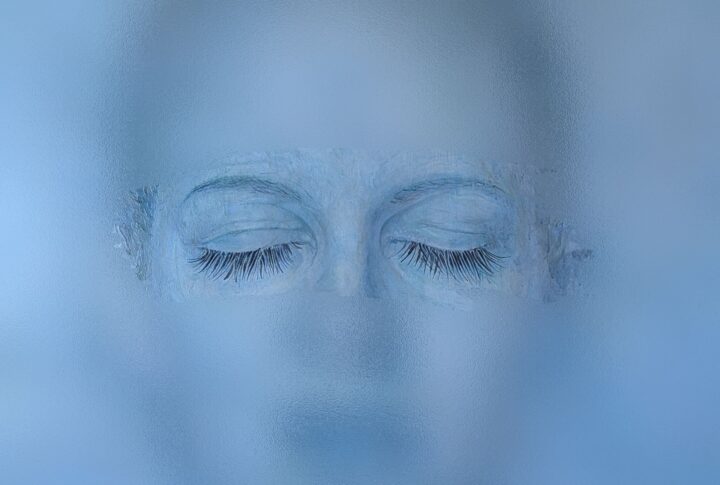
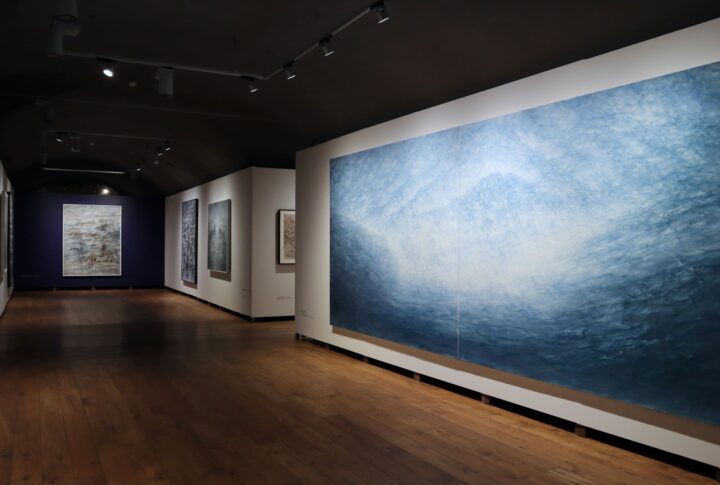
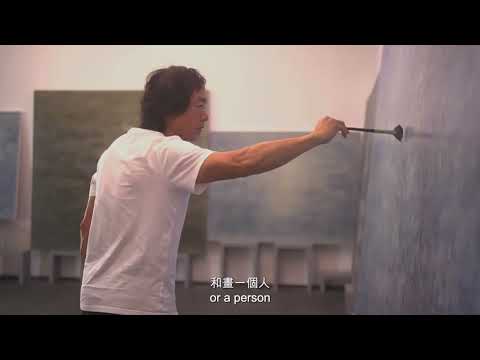
It is this interplay of light and shadow that also unites the contemporary section of the exhibition that brings together seven contemporary French artists – Géraldine Guilbaud, Anthony White, Marie Izaac, Marie Paule Benoit-Basset, Zhenyu Wu, Enrico Nagel and Pascal Pignon JAF. In dialogue with Brayer’s work, they reflect on the experiences of war and peace, human vulnerability, the importance of memory, the fragility of freedom and the pursuit of light in a world marked by tension and uncertainty. The diverse generations and visual languages represented attest to the capacity of French art to continually engage with fundamental existential questions, each time discovering new ways of visual expression.
The exhibition is therefore neither a historical survey nor a stylistic comparison. Instead, it offers viewers an experience where past and present coexist in dialogue. Retaining their historical identity, Brayer’s paintings take on renewed resonance through their encounter with contemporary interpretations that affirm art’s capacity to transcend temporal boundaries and continue to carry the light of hope and consolation even as the shadows grow ever longer.
Māris Čačka, Rothko Museum
Yves Brayer (1907–1990) is regarded as one of the leading figures of twentieth-century French figurative painting. Born in Versailles, he studied at the École nationale supérieure des Beaux-Arts in Paris.
His artistic vision was profoundly shaped by study journeys to Spain, Morocco and Italy, following his award of the prestigious Prix de Rome in 1930. After the Second World War, Provence and the Camargue became central to his work, where Mediterranean light, landscape and atmosphere defined the distinctive character of his painting.
Alongside oil painting, Brayer worked in watercolour, gouache, monotype, printmaking and lithography. He illustrated numerous books, designed stage sets and costumes for major French and European opera houses and created tapestry cartoons and monumental decorative works.
Brayer’s solo exhibitions were held at major museums in France and across Europe, as well as in London, New York, Brussels, Cologne and Berlin. In 1957 he was elected to the Académie des Beaux-Arts. He served as Vice-President of the Salon d’Automne, Professor at the Académie de la Grande Chaumière, and Curator of the Musée Marmottan in Paris. His works are held in numerous museum collections in France and abroad.
Curated by Māris Čačka, Pāvels Terentjevs and Gilles Bonnevialle
Organised by the Rothko Museum and Musée Yves Brayer
Supported by the State Culture Capital Foundation of Latvia, the Daugavpils City Council and the European Union
11 September – 29 November 2026
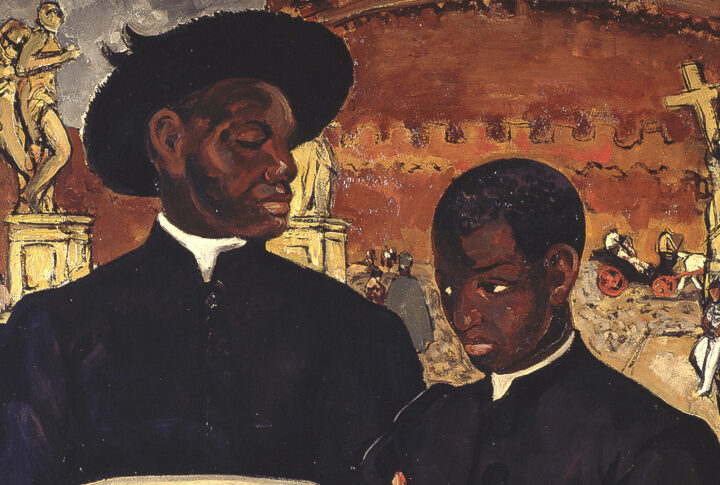
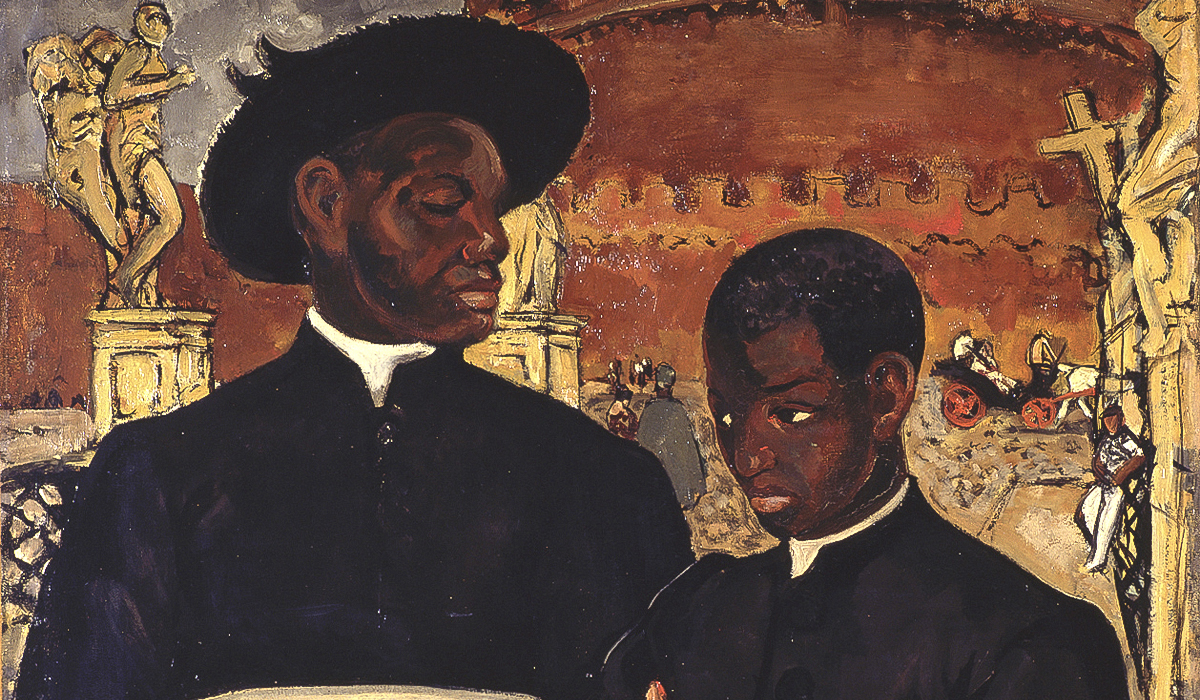
Publicity image: Yves Brayer, “Ethiopian Seminarists, Rome” (detail), oil on canvas, 119 x 94,5 cm, 1932