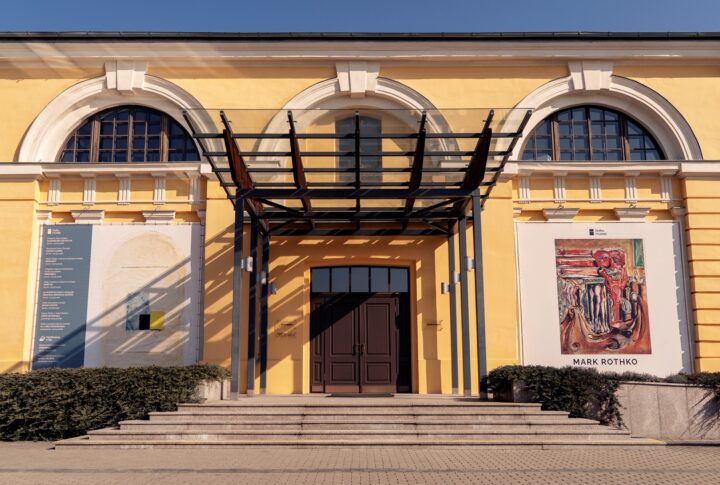

Light at the Threshold of Silence: Rothko Museum Announces Spring Exhibition Season
At 4.00 p.m. on Friday, 20 February, the Rothko Museum opens its first exhibition season of the year with six new projects bringing together artistic voices from Italy, Finland, and Latvia. Moving from contemplative and restrained non-figurative painting and installation to photographic narratives that trace experience as it inscribes itself on mind and body, the season echoes silence, light, belonging, memory, and stillness.
Gregorio Botta: “Painting Brings You Home”
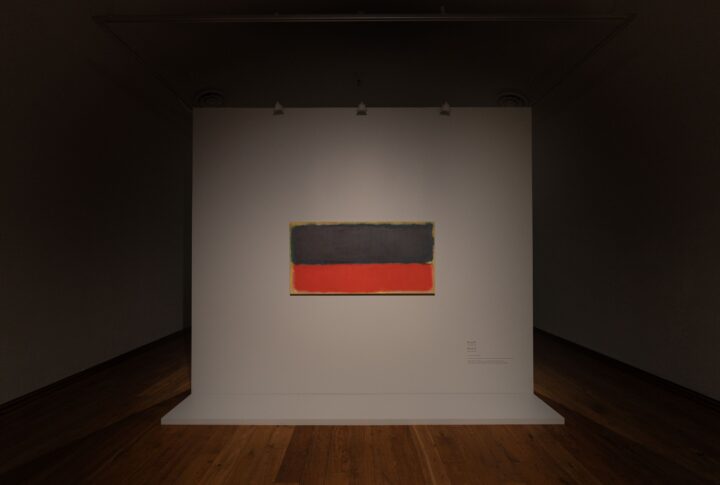
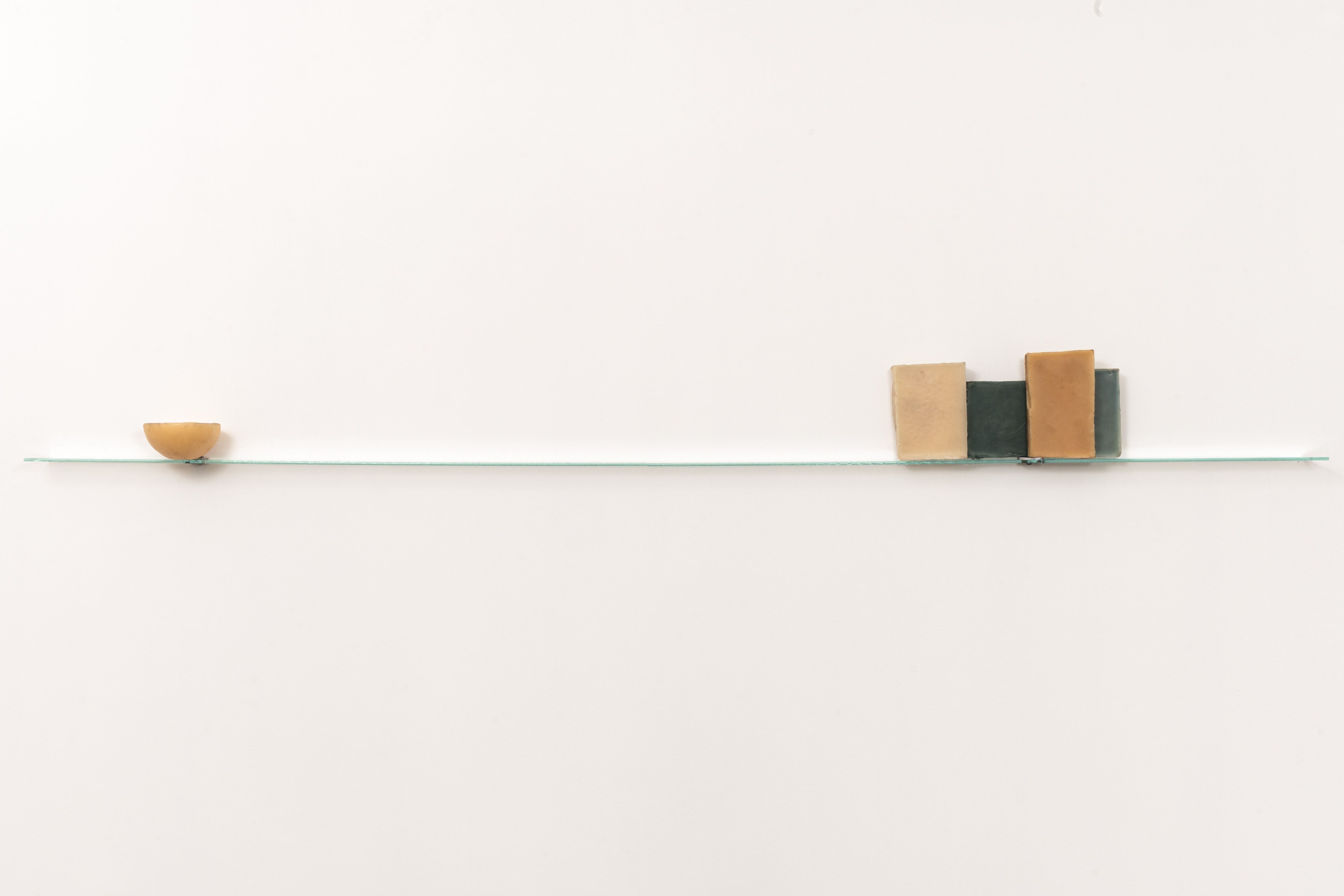
Gregorio Botta (Italy) is the first Italian artist to exhibit solo at the Rothko Museum in Daugavpils. The city that gave birth to Mark Rothko and his Abstract Expressionism now represents a “home” for a silent, contemplative form of non-figurative painting – an ideal legacy that has long inspired Botta’s artistic research.
According to the exhibition’s curator Bruno Corà, art historian and critic, although Botta’s practice unfolds through a plurality of media, often in three-dimensional installations and sculptures, it is grounded in painting understood as an originating artistic gesture and continues to be deeply meditative:
“Using natural materials such as wax, rice paper, water, glass, leaves, and stone, the artist creates rarefied works that evoke emptiness and silence through minimal forms.”
Over the years, Botta has exhibited in important museums and institutions in Italy and abroad, establishing himself as one of the most distinctive voices of contemporary Italian art. At the Latvian exhibition, around thirty works are presented, some created specifically for this occasion.
Rose-Mari Torpo: “Strange Light”
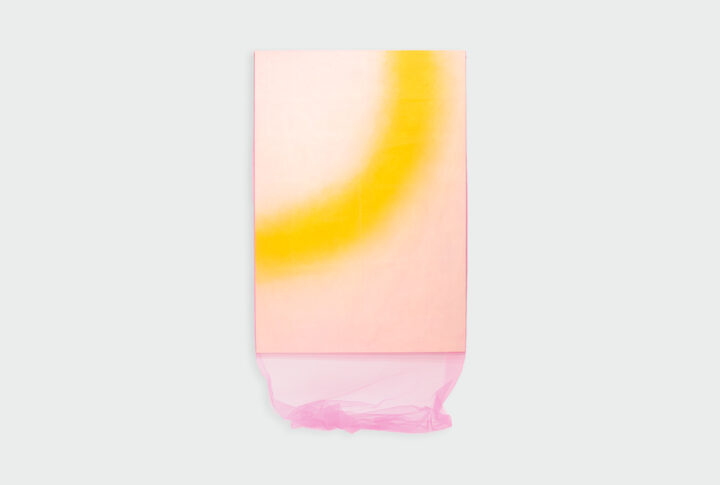
Inspired by the fragile threshold moments of dawn and dusk, Finnish abstractionist Rose-Mari Torpo paints shifting, almost illusory spaces where light, colour, and movement generate immersive encounters. Working across canvas, paper, polyester, and found readymade materials, she experiments with spray paint, acrylic, and ink to test the boundaries of painting itself, letting the work extend beyond its frame and become an active spatial element.
Curator Tatjana Černova highlights the artist’s recent engagement with iridescent materials, which refract and reflect light, intensifying the inherent dynamism of her compositions:
“At times her surfaces resemble atmospheric dust; at others they appear liquid, or more solid and congealed. The structural indeterminacy of Torpo’s painting corresponds to an emotional register that remains consciously suspended and mutable, existing beyond figuration.”
Artists from Latgale: “Borderland”
The Rothko Museum’s annual spring exhibition of Latgale artists turns its gaze to the border, both as a line on a map and as a threshold of imagination. Bringing together sixty-four artists across generations and media, it reflects a shared connection to Latgale as a home, muse, crossroads, or point of departure.
Curator Aivars Baranovskis frames Borderland as a mental and physical space between staying and leaving, tradition and modernity, the local and the global:
“Beyond geography, the exhibition reflects on art itself as a practice unfolding at the border between normality and abnormality, between what is accepted and what is condemned. Because art’s very purpose is to test and redefine existing boundaries: illuminate the marginal, challenge the norm, and celebrate the richness of experience and meaning life has to give.”
With this conceptual focus, the show is both a meeting point for artists and an invitation for the viewer to see this complex region not just as lines on a map, but as a source of possibility and inspiration.
RZ Collection: “Ways of Seeing”
“Ways of Seeing” presents selected works from the RZ Collection – the private assemblage of entrepreneur and art patron Raivis Zabis (1973–2023). Guided by intuition and emotional response rather than systematic acquisition, he approached collecting as a deeply personal, almost artistic process. Contemporary art, which he saw as the clearest mirror of its time, formed the core of his engagement.
Curator Dace Dēliņa-Lipska notes that the exhibition’s title reflects the collector’s belief that art must be seen to be fully alive:
“For Zabis, artworks belonged out in the open rather than in storage. Indeed, art truly breathes and comes alive when someone stops to look. This exhibition is an invitation to reflect on ways of seeing – art, time, and our shared humanity.”
Jūlija Verbicka-Vasiļjeva: “Habitus”
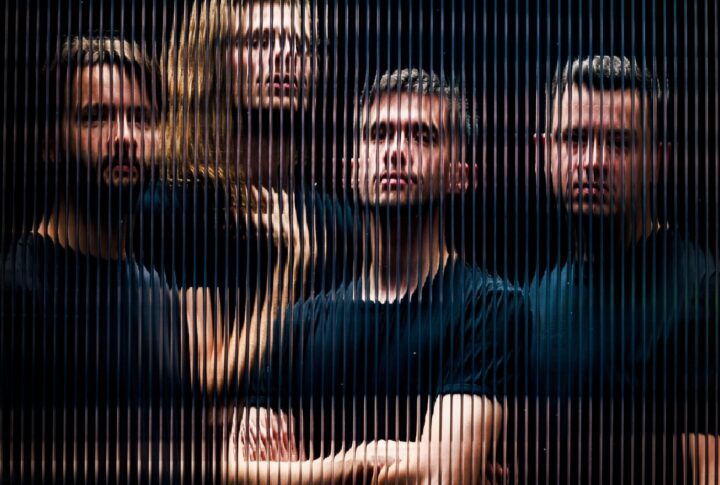
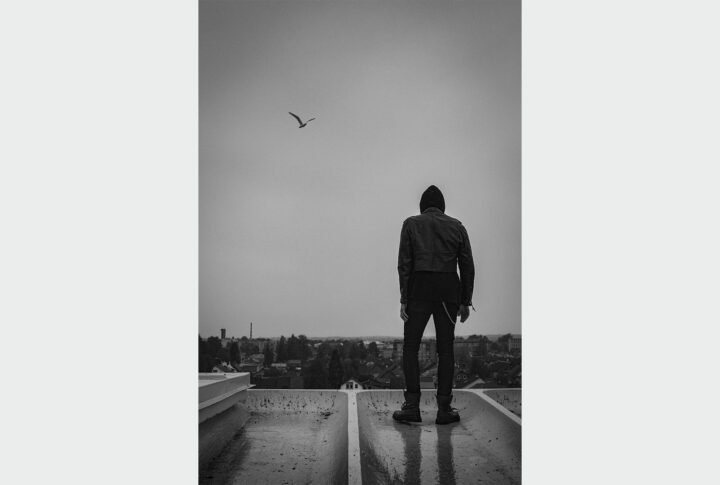
In “Habitus”, Jūlija Verbicka-Vasiļjeva presents a photographic series unfolding as a visual and emotional inquiry into the boundary between appearance and experience, between what is visible and what is lived. Working at the intersection of documentary observation, subtle staging, and directorial control, the artist constructs a finely calibrated narrative that traces how social environment, upbringing, and personal history inscribe themselves in posture, gaze, and silence, shaping how we relate to ourselves and others.
Curator Tatjana Černova observes how in Verbicka-Vasiļjeva’s practice, habitus moves beyond its sociological origins to become a lived imprint – an experience absorbed into the body, behaviour, and emotional memory:
“At the heart of the exhibition lies an understanding of the human being as a process rather than a fixed state, drawing attention to the entanglement of individual stories with collective experience and urging viewers to consider how we all reflect the world around us.”
Pēteris Martinsons: “Reflection”
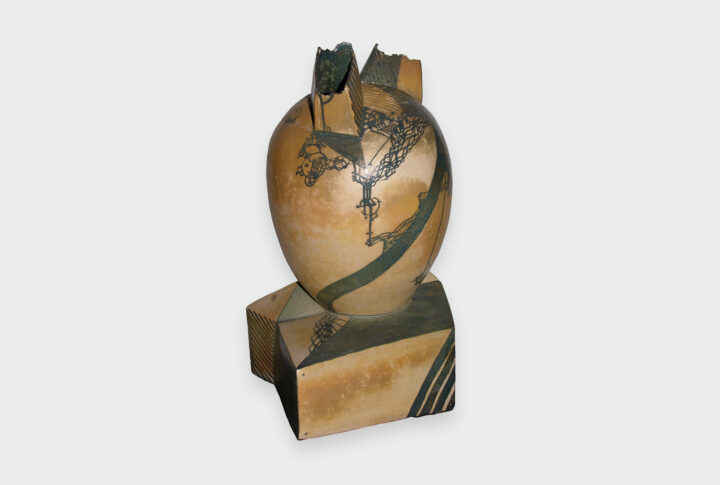
In 2026, the Latvian Centre for Contemporary Ceramics partners with the Rothko Museum towards an exhibition series at the Martinsons House gallery to mark the 95th anniversary of the Latvian ceramic artist Pēteris Martinsons (1931–2013). Drawing on works from Latvian and international museum collections, the programme offers a wide-ranging view of the artist’s impressive creative legacy.
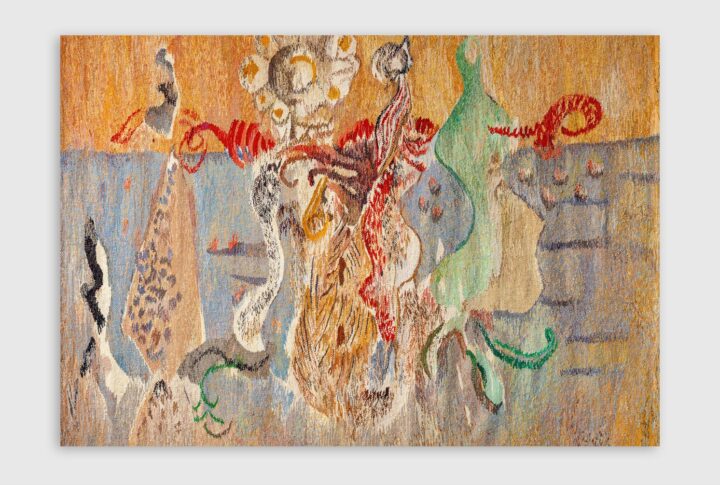
The first exhibition in the series presents large-scale ceramic sculptures from the collection of the Latvian National Museum of Art. Curator Valentīns Petjko highlights the exhibition’s anchoring diptych “Reflection” – early yet assured figurative abstractions where the human figure is distilled into geometric minimalism and archetypal signs. Meanwhile, the later works articulate Martinsons’s mature visual language, shaped by architectural thinking, sculptural experimentation, and a pronounced engagement with graphic line.
Exhibition Dates and Opening Night
The Rothko Museum’s spring exhibition season runs from 20 February to 24 May 2026.
Admission to the new exhibitions is free on opening night.
The Rothko Museum’s spring exhibition season was prepared in partnership with the Latvian Centre for Contemporary Ceramics, the Latvian National Museum of Art and Il Cigno Arte, with valued support from the State Culture Capital Foundation of Latvia, Daugavpils City Council, Italian Embassy in Latvia, Nordic Culture Point, Arts Promotion Centre Finland, and Caparol.
Publicity images:
- Gregorio Botta “Horizon”. Glass and wax, 20 x 200 x 8 cm, 2024
- Rose-Mari Torpo “Dawn”. Ink, acrylic, and spray paint on polyester and canvas, 180 x 125 cm, 2025. Photo by Janette Holmström
- “Borderland” – the exhibition’s graphic identity. Designed by Irina Bogdanova
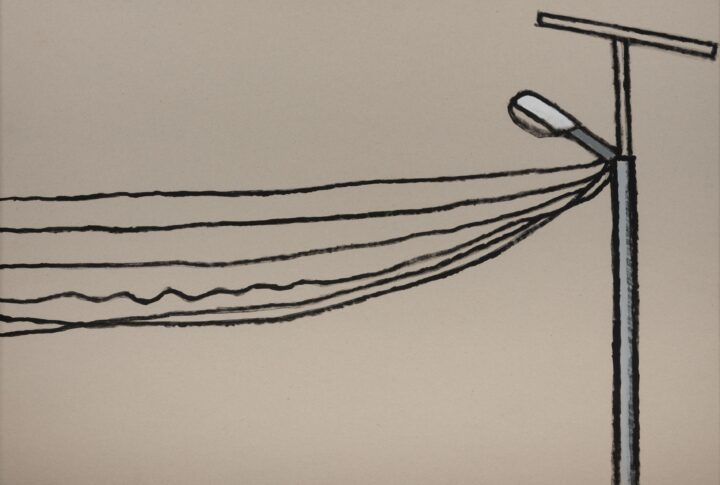
- Anna Zholud “The Way Series No. 1”. Oil on cardboard, 75 x 105 cm, 2017. Photo by Valters Pelns
- Jūlija Verbicka-Vasiļjeva “Star” (from the Habitus series). Photography, 100 x 70 cm, 2025
- Pēteris Martinsons “Tension”. Chamotte, engoe, drawing, 72 x 34.5 x 33.5 cm, 1980. Latvian National Museum of Art