
Artist-in-Residence
Location: Rothko Museum, Daugavpils

The Rothko Museum Artist Residency Programme offers artists the opportunity to live and work in Mark Rothko’s birthplace, within Daugavpils Fortress, a unique ensemble of 19th-century military architecture. The residency is intended for artists wishing to dedicate time to their creative practice, research or the development of new work, drawing inspiration from the place where Mark Rothko’s life began. The programme does not require a specific outcome or the donation of artworks to the museum. Instead, it aims to provide an environment for independent, focused artistic exploration. By prior arrangement, public activities may also be organised during the residency, such as an artist talk, a presentation of the artist’s practice or a pop-up exhibition of works created during the stay. Such activities are subject to the museum’s programme and availability during the selected period.
During their stay, artists are accommodated in Rothko Museum’s residency rooms, while their creative work takes place in studios located just a few minutes’ walk from the museum. The studios retain the building’s authentic character, providing a simple, functional environment suited to artistic practice. Residents also have access to a shared kitchen, complimentary admission to Rothko Museum’s exhibitions and the museum’s reading room for research and creative work. Residencies may take place individually or alongside other artists, offering opportunities for professional exchange. Applicants are asked to indicate their preferred residency format in the application form. Residency arrangements are subject to availability on the requested dates.
How Long?
Residencies typically last two weeks, although shorter or longer stays may be arranged by mutual agreement between the artist and the museum.
How Much Does It Cost?
Resident artists cover their accommodation costs (€30 per night). Studio space is provided free of charge.
Artists accompanied by another person: €50 per night for a double room.
How to Apply?
Artists complete the application form. The museum reviews each application and contacts the applicant to discuss the details.
Residency Programme Participants
Dominika Piekarska | Ireland
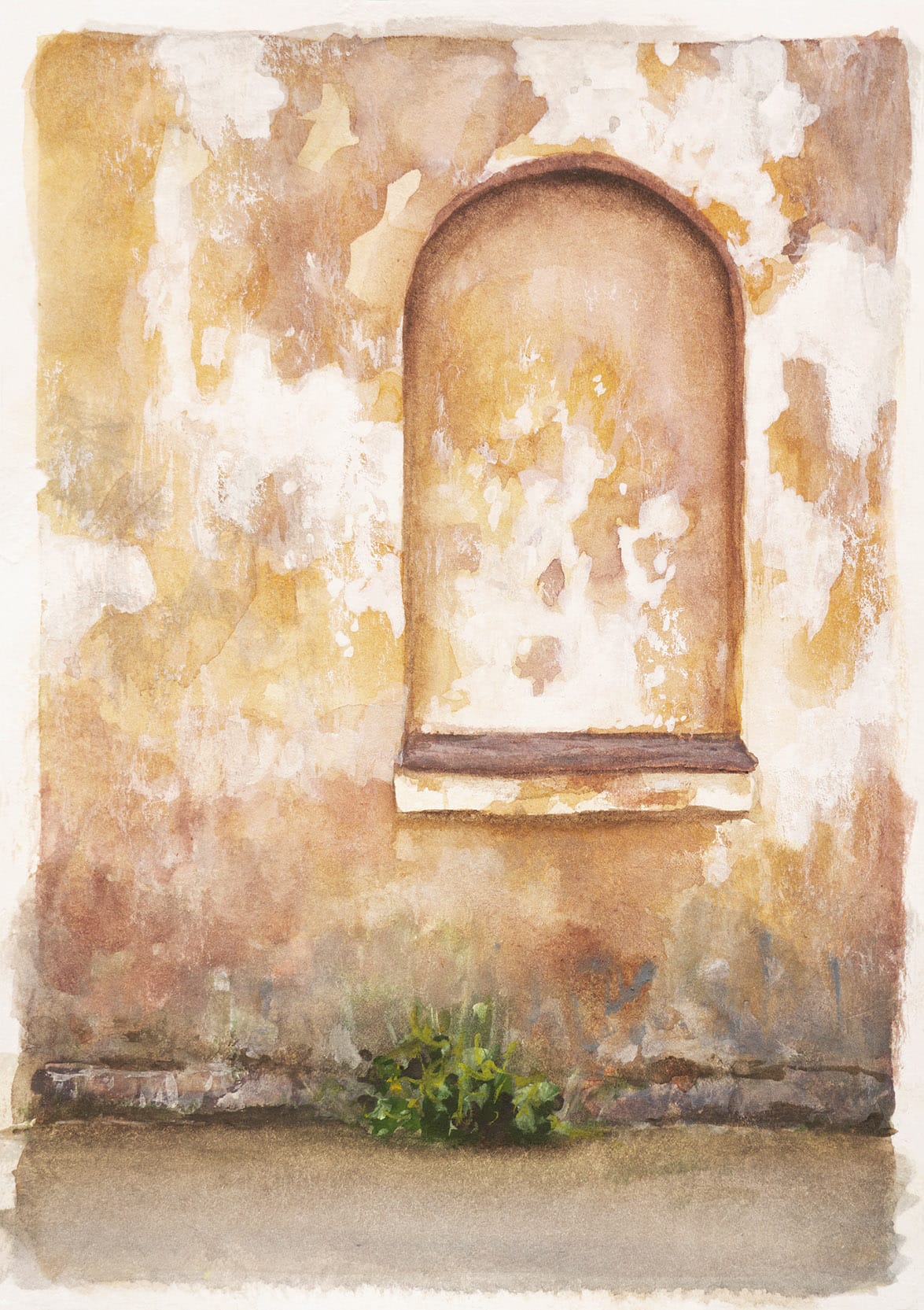
The two weeks spent in the Daugavpils Fortress have been a positive and enriching experience, both as an artist and as a person. This was my first international residency, and the warmth and generosity I received helped me feel at home. I divided my time between studio work, exploring the Fortress and visiting the Museum’s inspiring collections. I especially enjoyed the materiality of ceramic art and discovering new means of expression. The Fortress had a mood I called “peaceful stillness”. Its empty buildings became my main inspiration: layers of paint and brickwork, imperfections and nature finding its way between deteriorating walls.
Working with watercolours and white gouache challenged my usual practice with oils. A small painting grew into a series reflecting on transience, the passage of time and the inevitability of change. These old walls interested me as much as the dramatic skies at home in the West of Ireland. Discovering parallels between these seemingly different themes helped me understand what moves me as an artist.
Jennifer Printz | USA
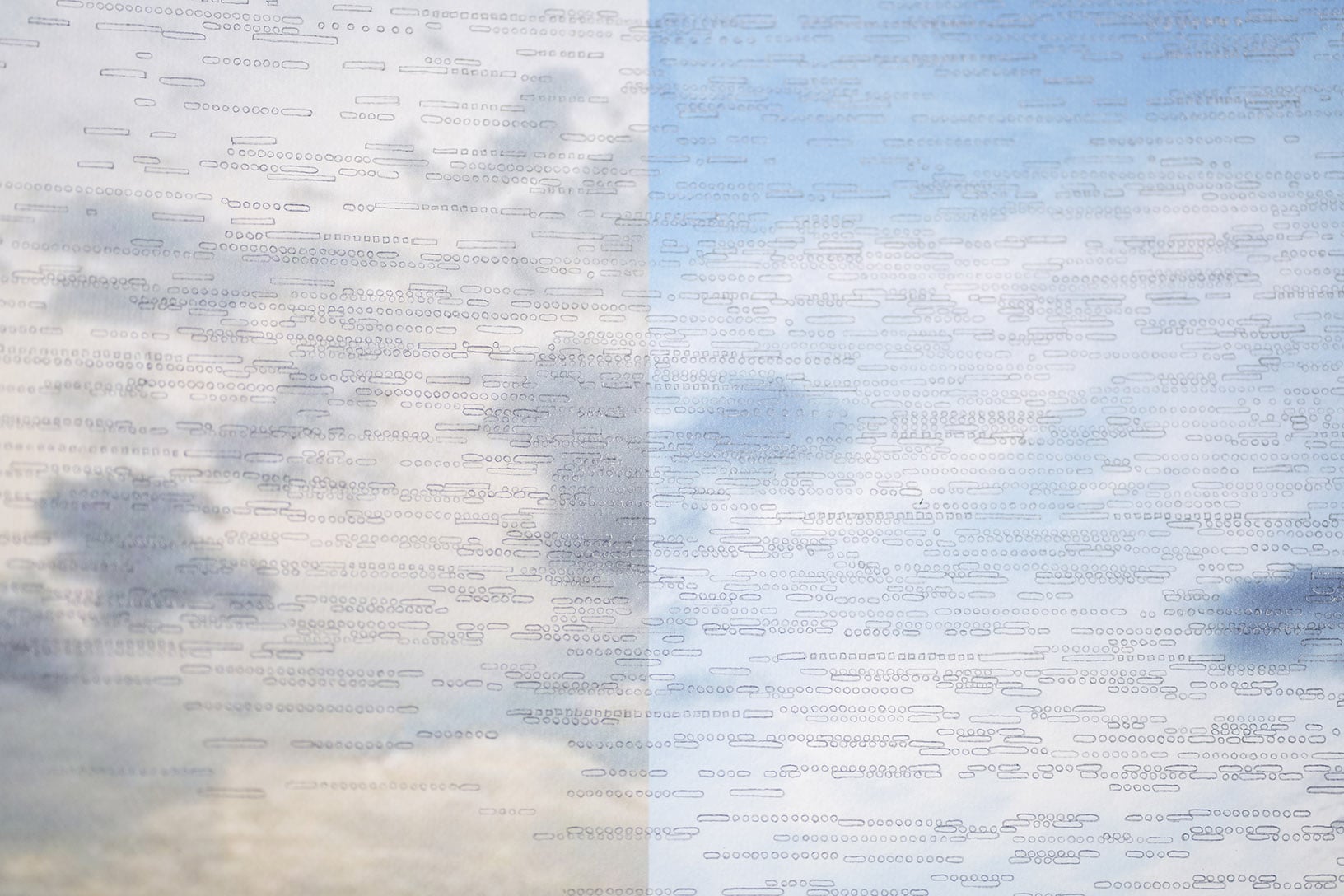
My residency at the Rothko Museum was an exceptional and deeply rewarding experience. The spacious, light-filled studio provided the ideal environment to focus and develop a new body of work on a larger scale than I typically pursue. Having daily access to the museum’s collections—including Rothko’s extraordinary paintings—and its thoughtfully curated exhibitions was invaluable and continually inspiring.
I also found the reading room and library to be wonderful spaces for quiet research and reflection. The residency facilities provided everything I needed to work comfortably, allowing me to devote my full attention to my creative practice. The museum’s location within the historic fortress was equally inspiring. Its remarkable architecture and rich history created a profound sense of place that, although difficult to fully articulate, will undoubtedly continue to influence my work long after the residency.
Finally, I greatly appreciated the opportunity to engage with the museum staff and the other artists exhibiting and working nearby. These conversations and connections enriched my experience and made the residency even more meaningful.
Joanna Ambroz | Poland
Marija Musja | Estonia
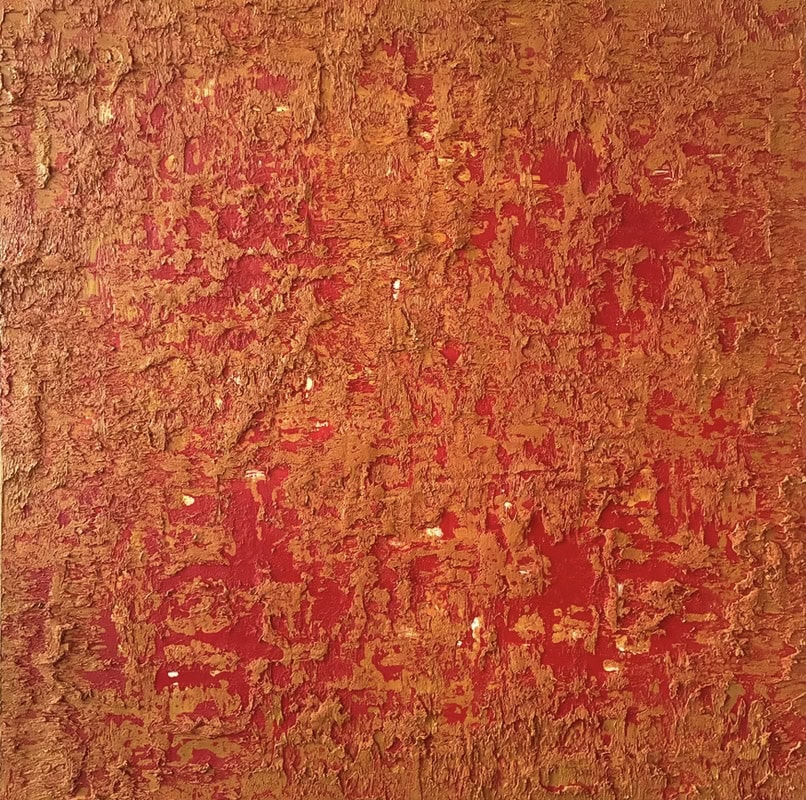
During my Individual Art Residency at the Centre, I heard Farida’s story on the very first day. I learned that this internationally significant institution – of immense cultural value to the entire Baltic region – was born from her unwavering vision and determination, despite facing considerable scepticism, even within her own professional circles.
To honour her extraordinary contribution and give back to the region that made this encounter possible, I have chosen to offer this series for sale with a special commitment to its home. Three of the paintings will remain in the Baltic States, while one will find its place in the United States.
My wish is that these works stay rooted in the Baltics – where they belong – as a lasting invitation for more people to engage with the rich and vibrant cultural life of our region.
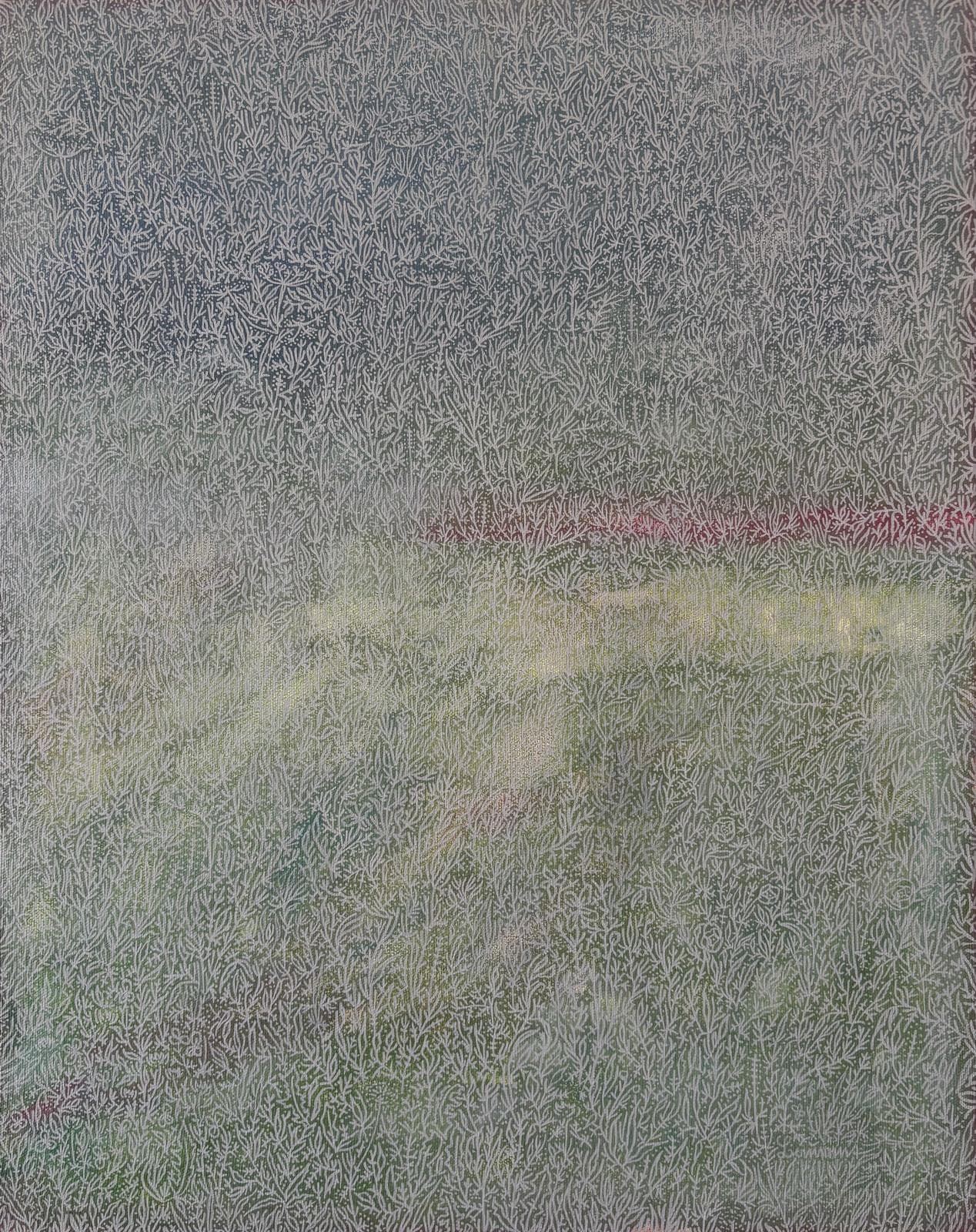
Laurent Good | Canada/France
During a two-week individual residency at the Rothko Museum, Canadian artist Laurent Good explored a personal visual response to the compositional structure and symbolic language of Mark Rothko’s late paintings. Created during the residency, these acrylic and oil paintings combine three different representations of space with the colour palette of the Latvian summer in Latgale and motifs of local plants woven into the artist’s distinctive floral patterns.
Laurent Good is a Franco-Ontarian visual artist based in Toronto, Canada. His practice brings together European decorative traditions, Polynesian cultural heritage, and contemporary reflections on identity, culture and belonging. The works presented here are the result of his creative research developed during the residency at the Rothko Museum.
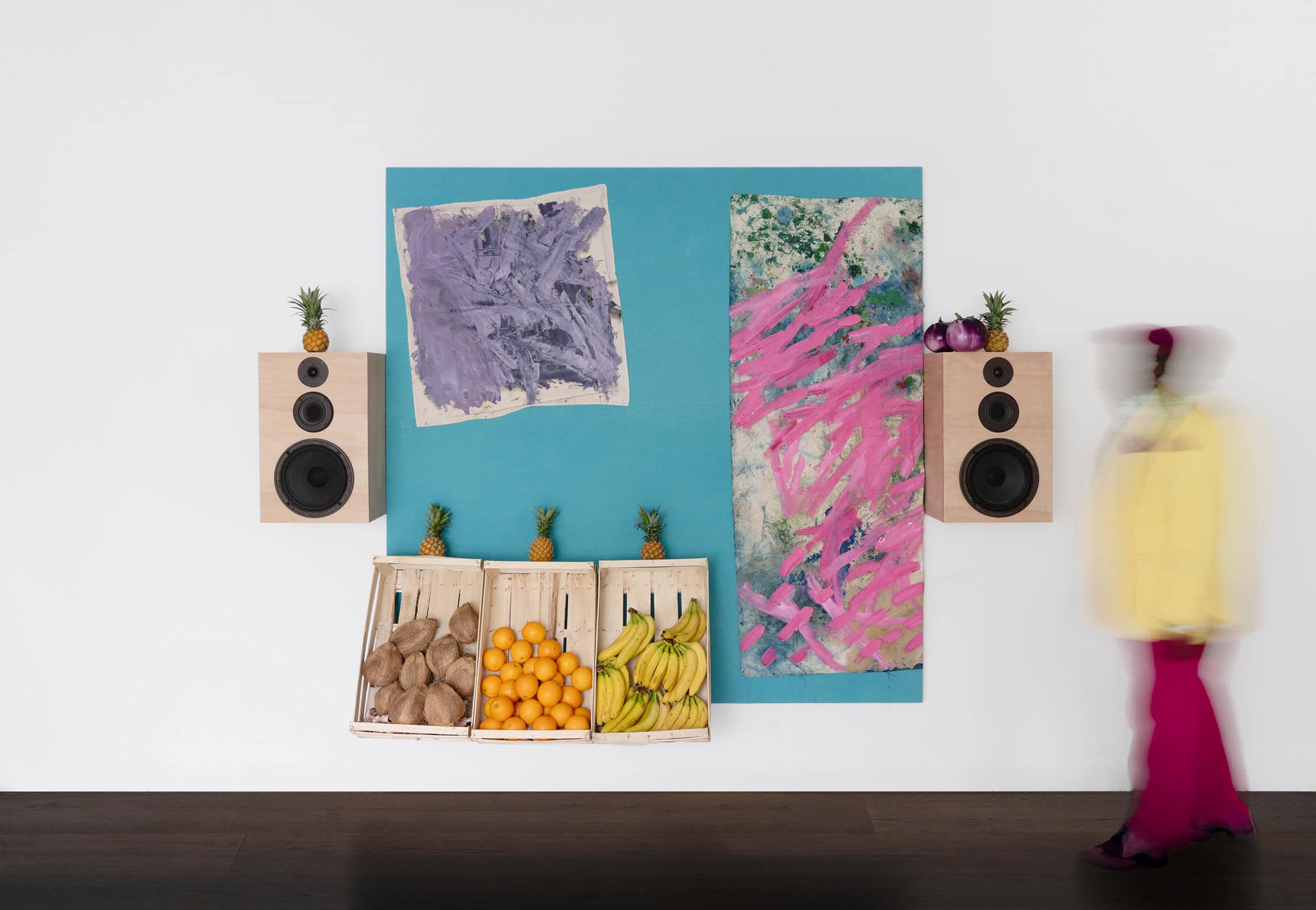
Lex Lou | United Kingdom
Lex Lou is a painter and composer whose work explores the relationship between painting and music. In Daugavpils, his research centred on Rothko’s fascination with music and the “chordal” quality of his work. During the residency, he made visual and sonic paintings in response to several Rothko works in the collection, including Untitled (1948) and No. 5 (1964), alongside “audio sketches” drawn from the surrounding wildlife, river and the acoustics of the Soviet-era fortress.
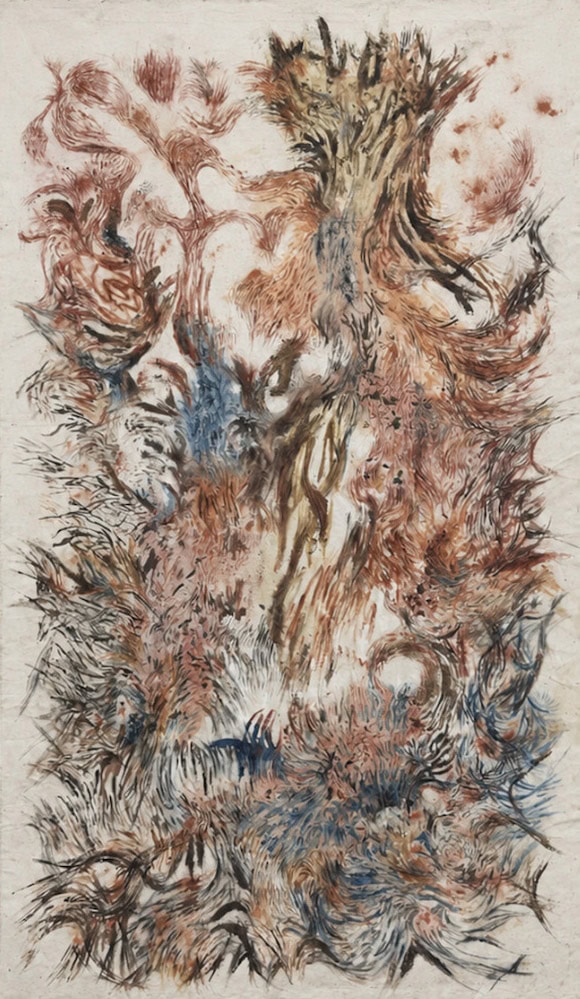
Caitlin Heffernan | United Kingdom
The residency at the Rothko Museum offered me a valuable opportunity to step outside my usual way of working, to slow down, observe and respond to an unfamiliar environment.
Exploring Daugavpils, I was fascinated by its architecture and the relationship between human structures and non-human growth. The museum’s collection and Rothko’s paintings prompted me to consider how colour can communicate different emotional perspectives and experiences of place.
Walking and running through the town and along the riverside became an important part of my working process. I collected sand, soil and wildflowers, incorporating these into paintings alongside vegetable and plant-based pigments. In this way, the landscape became both the subject and the material of the work.
The residency resulted in two groups of paintings on raw, unstretched canvas and hessian, reflecting contrasting emotional and physical responses to the same environment.
Perhaps most importantly, it encouraged me to work in a more open and intuitive way, allowing the place, its materials and its atmosphere to guide the paintings, while opening up new possibilities for future work.
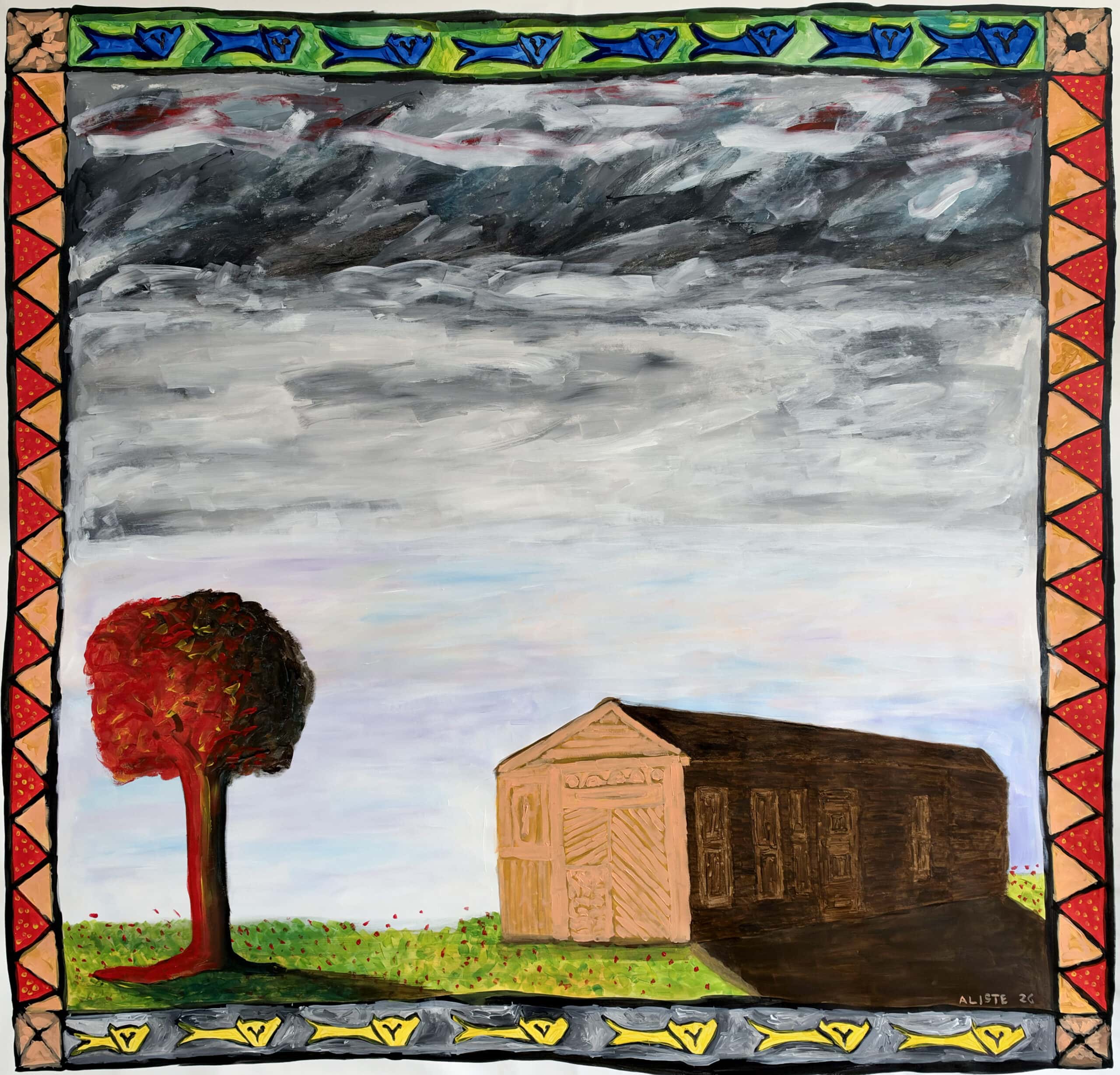
Javier Aliste | Chile
Sky – Air – Immensity – Wind – Light
LATGALE
A place of ancient gatherings, of a defensive site transformed with infinite humanity welcoming creators, you honor the creative spirit with silence and space.
A place of contemporary rituals, where deities connect through color and marks a form of drawing that emerges, clean and pure, within this sacred territory.
A stronghold that sheltered the first, and all of us who have followed.
Thank you
Javier Aliste.-
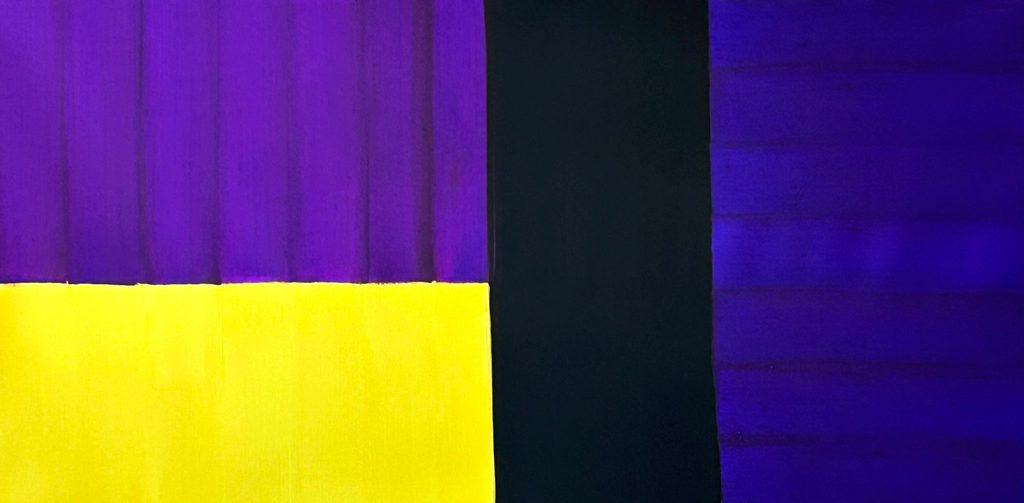
Elvira Lantenhammer | Germany
Elvira Lantenhammer explores colour as a way to understand both herself and the environment she inhabits. In Daugavpils, she was particularly drawn to the interplay of violet and yellow tones. The contrast between warm and cool hues, as well as their layering and saturation, creates distinct emotional and perceptual effects.
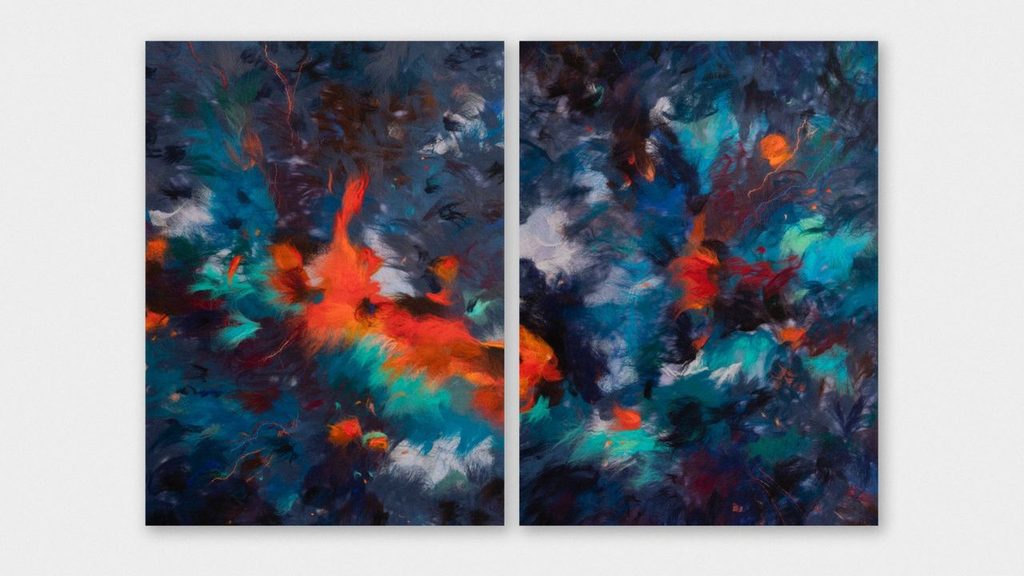
Laurine Malengreau | France
Textile artist Laurine Malengreau found that her residency at the Rothko Museum deepened her artistic practice through colour, emotion, and cultural exchange, bridging France and Latvia through her work with wool and silk.
Laurine’s residency at the Rothko Museum was organised in partnership with the French Institute in Latvia, with support from Fravia.
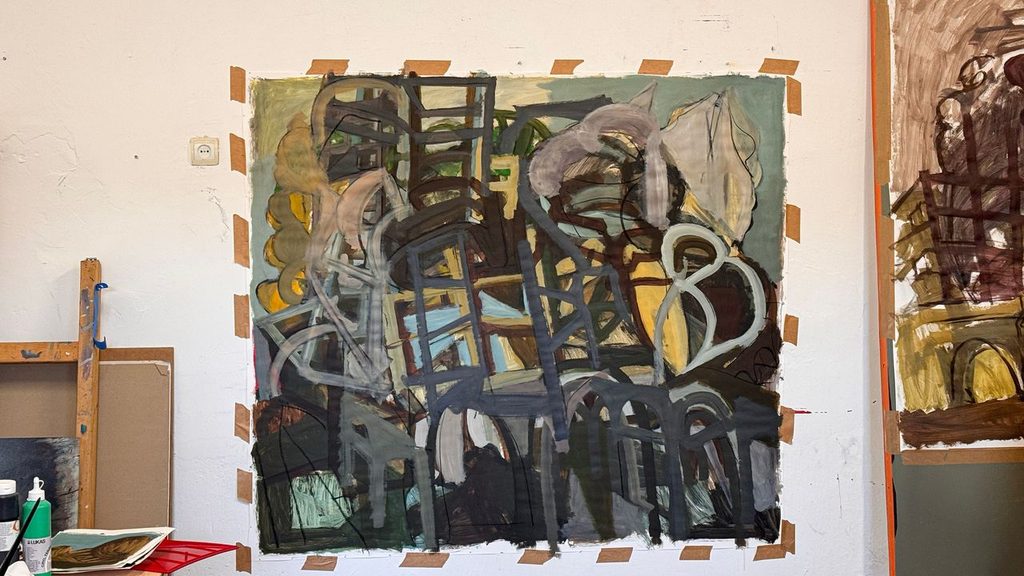
Peter Maslow | USA
Peter Maslow investigates the forms and historical layers of the Daugavpils Fortress from the imperial and socialist periods to the present day, revealing how architecture embodies the passage of time and collective memory.
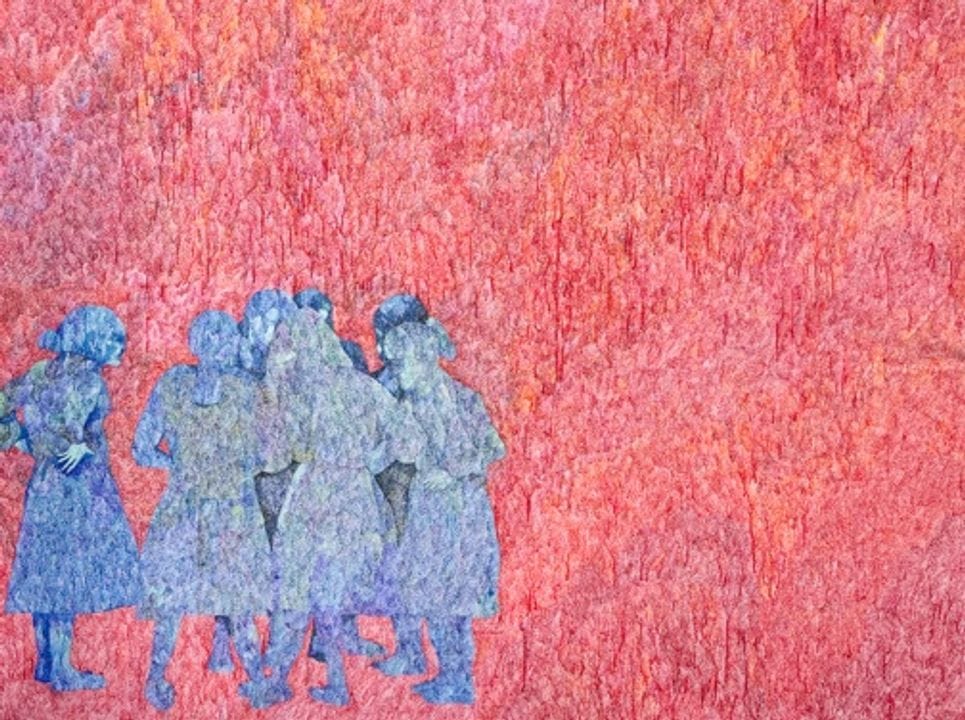
George Bezani | USA
George Bezani explores the shifting nature of representation in a technologically driven world. His process involves extensive image research, collage-making, and translation onto canvas, where figures exist as unified forms within void-like backgrounds. The longer one observes his works, the more they dissolve into abstraction, reflecting on how human connection transforms amid automation and digital mediation.
Tom Chambers | USA
Tom Chambers explored Mark Rothko’s origins through a process of digital archaeology, transforming pixels into emotional fragments that bridge memory and place. Rather than recreating Rothko’s past, he reimagined its essence through a digital lens, turning data into a deeply affective experience. His work becomes a dialogue between Rothko’s emotional landscape and the contemporary moment.
Ragna Jürgensen | Germany
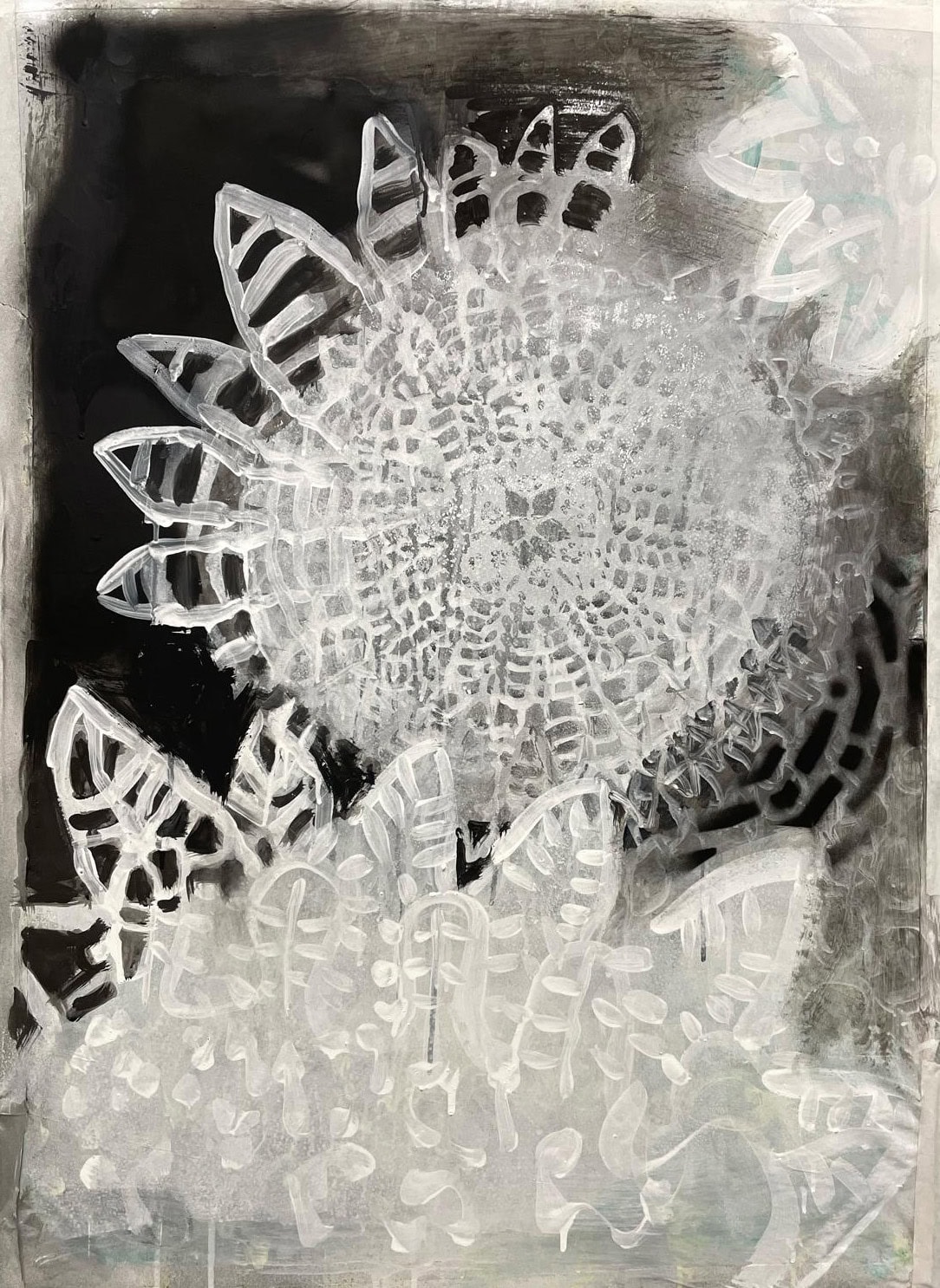
Ragna Jürgensen creates paintings and drawings shaped by attentive observation and the atmosphere of place. Educated in Braunschweig, London, and Chicago, she develops quiet, contemplative images in which subtle shifts of light, colour, and natural forms evoke memory and emotional presence. Her practice unfolds slowly, allowing surroundings and lived experience to influence the work, creating spaces of stillness and reflection.
The artist recalls: “The Rothko Museum exceeded my expectations in both its scale and cosmopolitan spirit. The surrounding fortress, with its raw and atmospheric buildings, offered a truly unique environment – at night, it felt like being on a film set.
My studio, located in one of these buildings and marked by traces of artists and workshops past, evoked memories of my years at the art academy and sparked new creative energy. What stayed with me most was the sense of tranquility and layered complexity – reflected in the landscape, the people I met, and Rothko’s paintings themselves. It was an unforgettable experience that quietly shaped my artistic practice.”
Isadora Stowe Jackson | USA
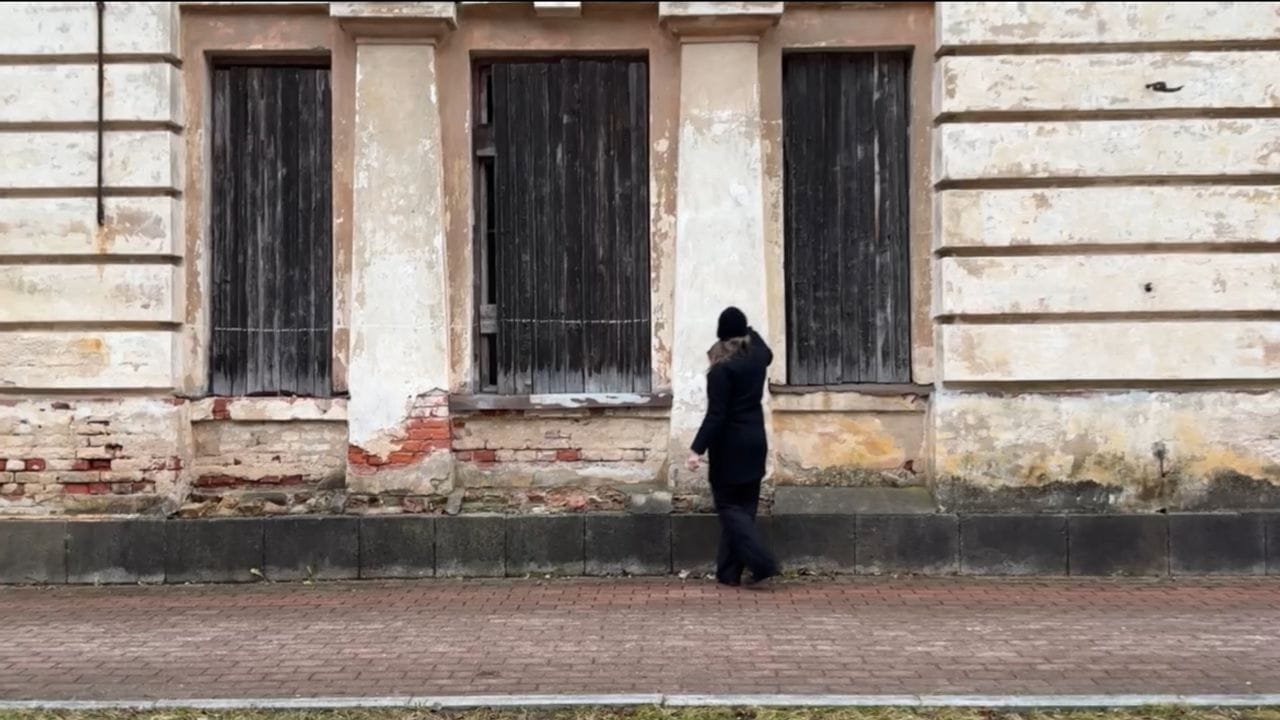
Isadora Jackson investigates how psychological, emotional, and ecological landscapes shape the sense of place and belonging. Drawing from the U.S.–Mexico borderlands where she grew up, she translates geography, memory, and identity into layered visual systems using symbols, maps, and architectural forms. Working across painting, installation, projection, and light-based media, her practice connects personal narrative with cultural research and reflects on how real and imagined boundaries influence human experience.
The artist recalls: “We had such a wonderful stay. I know my artistic practice was profoundly shaped and influenced by this time. Line of Passage was developed during my residency at the Mark Rothko Art Centre in Latvia. It emerged from research conducted in Lithuania, including time in Kaunas and along rural paths and border zones shaped by layered histories of movement and rupture.
In Latvia, the work manifested through performance-based actions, durational walking, and pulling chalk lines across surfaces – activating the body as both witness and mapping instrument. The land felt like a living archive. This experience allowed me to trace ancestral geographies and informed a body of drawing-based screenprints using signs and symbols as a semiotic language to diagram unstable architectures of identity, movement, and loss.”
Jane Bustin | UK
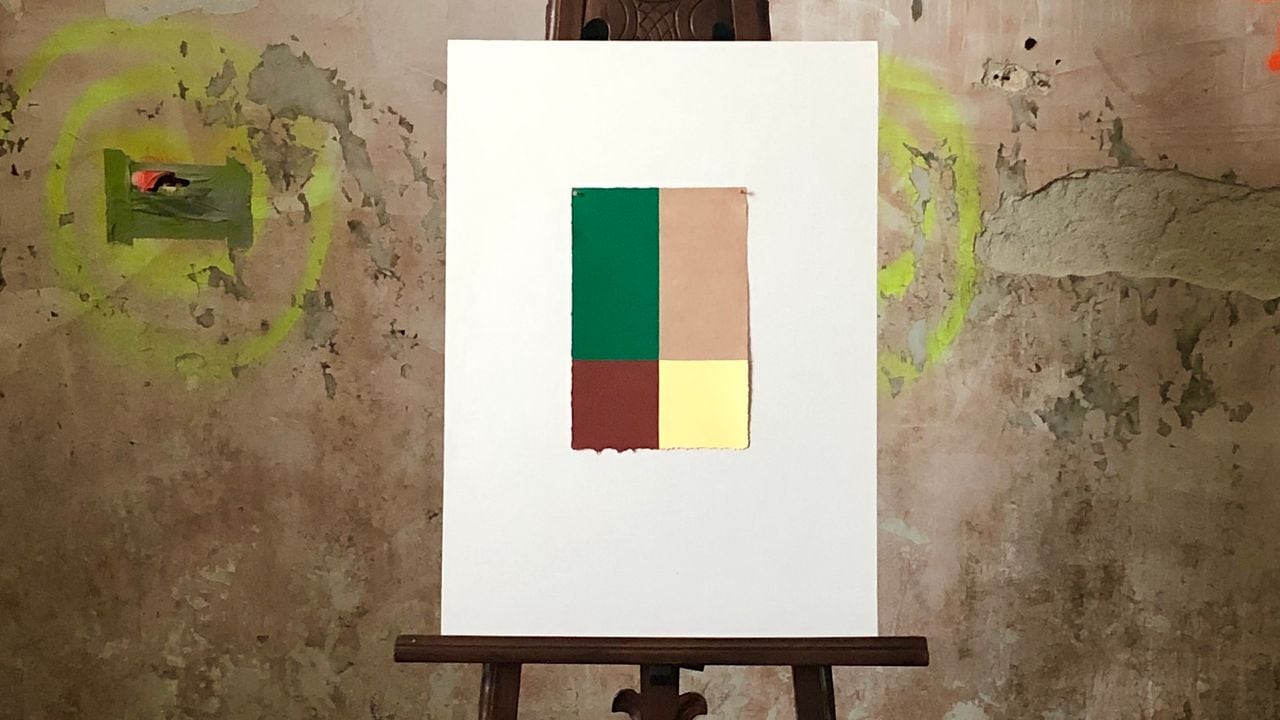
During her residency in Daugavpils, Jane Bustin explored the relationship between light, texture, and memory through painting. Inspired by the museum’s surroundings, she developed a series that reflects the layered atmosphere of place and time.
In 2023, her solo exhibition The Colour of Words was held at the Rothko Museum.