
Three Generations: A Legacy in Painting
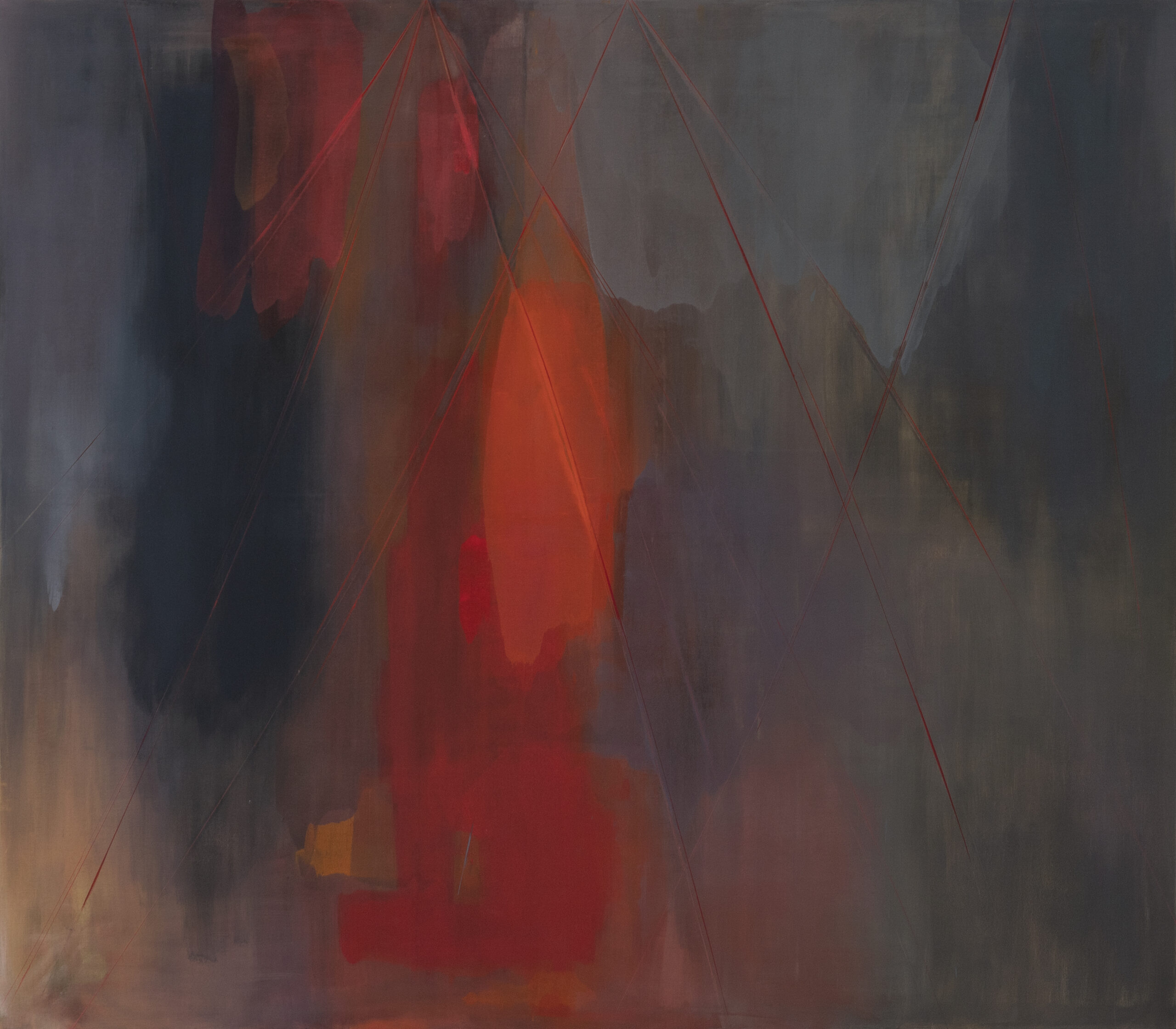
Elga Grīnvalde “Universal Order” (2026). Oil on canvas, 175 x 200 cm
Edvards Grūbe (1935–2022), Silva Linarte (1939–2018), Elga Grīnvalde (1966)
Some qualities in painting endure through generations. They live on in the handling of colour, the freedom of the brushstroke, the rhythm of a composition and the ability to transform the visible world into something deeply personal and charged with emotion. Bringing together three distinctive voices in Latvian art, “Three Generations: A Legacy in Painting” explores the subtle connections between their approaches.
Edvards Grūbe’s paintings stand out for their expressive use of colour, bold simplicity and monumental forms. Colour becomes a powerful means of emotional expression in its own right, while recognisable subjects take on a more abstract character and a heightened sense of inner tension.
Colour is equally important to Silva Linarte, but its expressive power is quieter, more contemplative and nuanced. Her landscapes and still lifes evoke delicate atmospheres shaped not only by light and gentle tonal variations, but also by memory – as though the scenes were not simply observed, but also recalled.
Elga Grīnvalde brings colour, light and form into a different balance. Her paintings combine expressive freedom with a sensitive eye for subtle shifts in colour and mood. Drawing on nature, spatial relationships and the emotional power of colour, she has developed a distinctive artistic language that brings earlier painting traditions into dialogue with a contemporary way of seeing.
The connections between these three artists are more than a matter of shared artistic sensibilities. Their work reveals how painting can continue beyond an individual artist’s lifetime, preserving something deeper than outward similarities. Each generation draws on what came before it, transforming that inheritance into something distinctly its own. The work of these three painters tells a story of artistic continuity – of the invisible bonds that connect artists across generations and of a tradition that remains alive through change.
Māris Čačka, curator of the exhibition
Curated by Māris Čačka
Supported by the State Culture Capital Foundation of Latvia and Daugavpils City Council